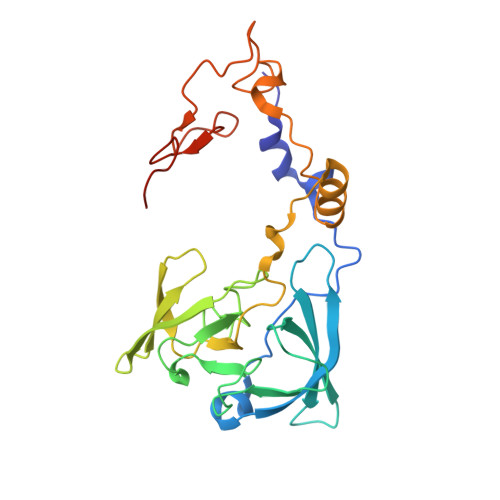
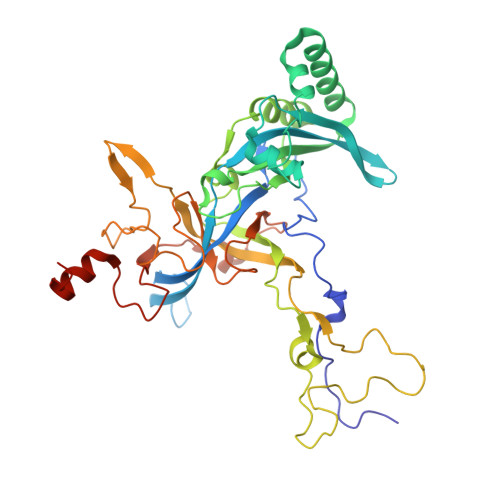
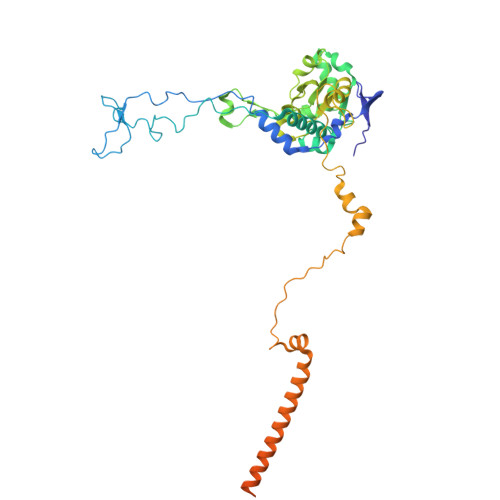
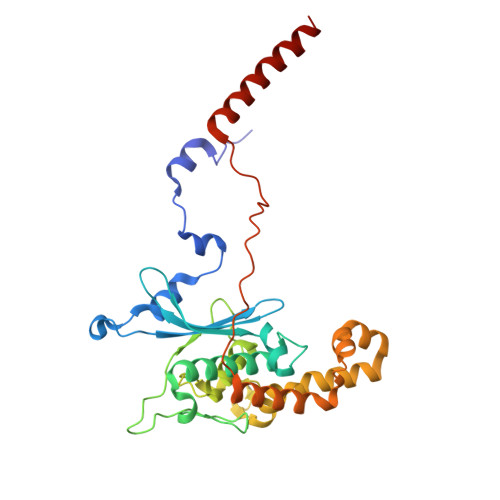
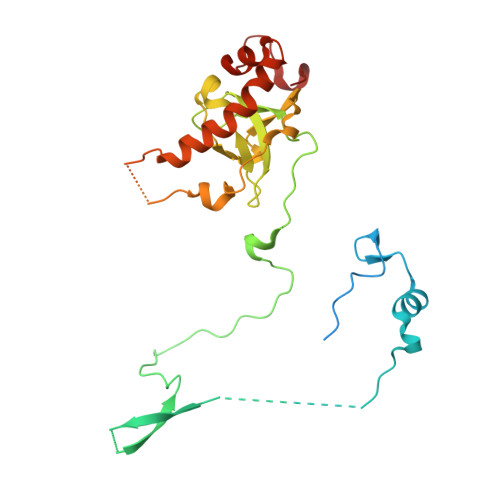
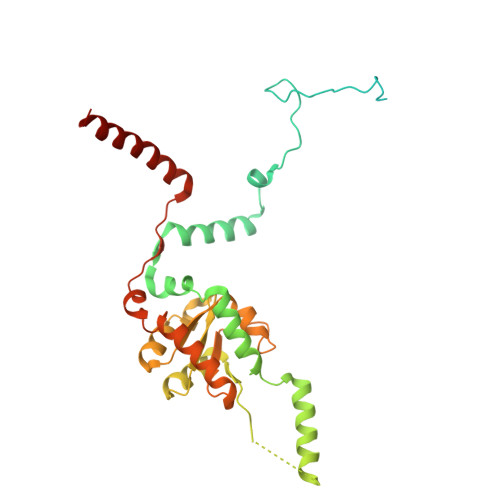
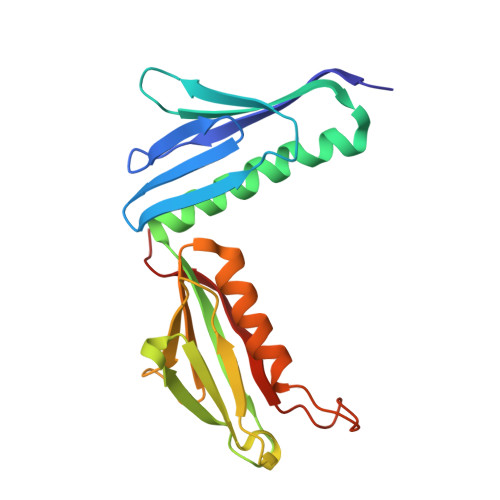
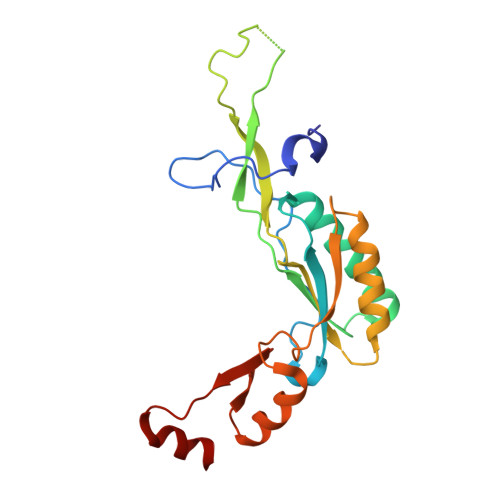
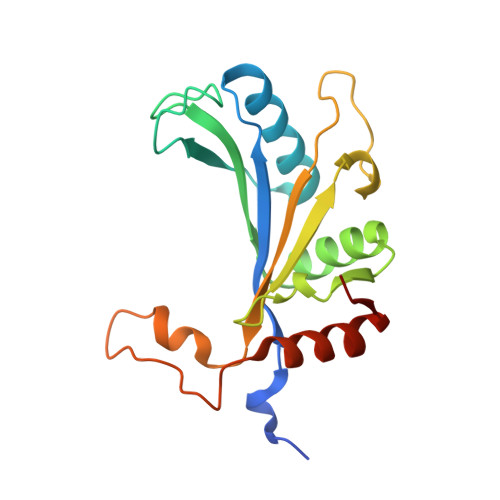
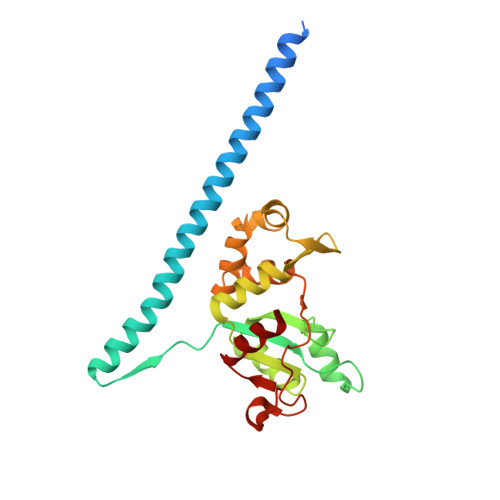
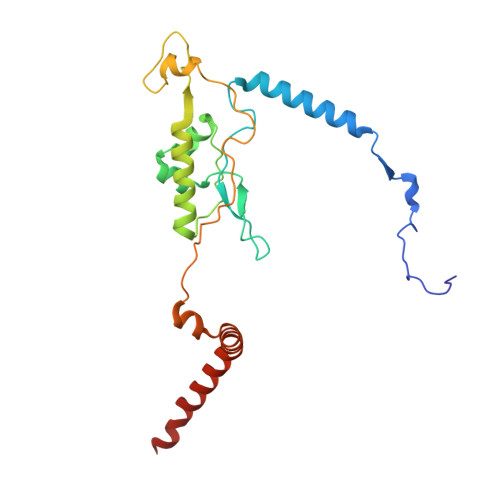
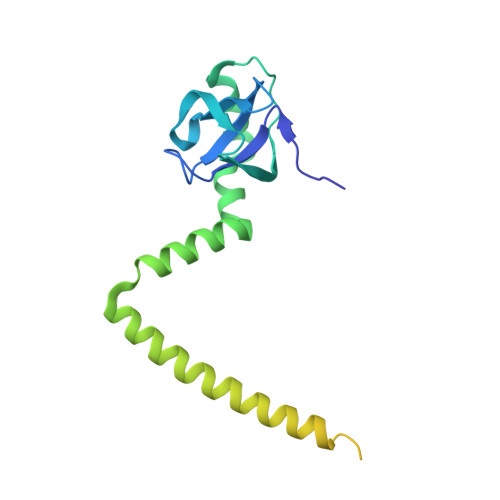
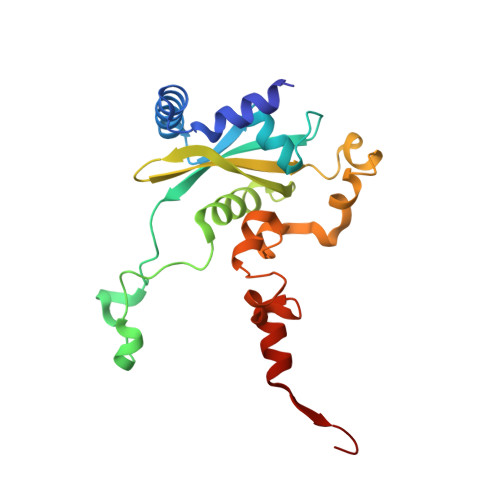
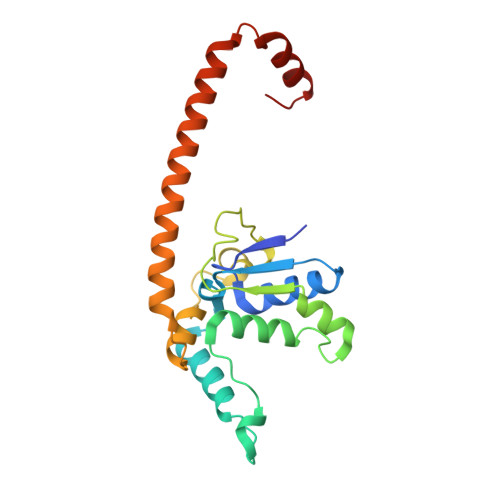
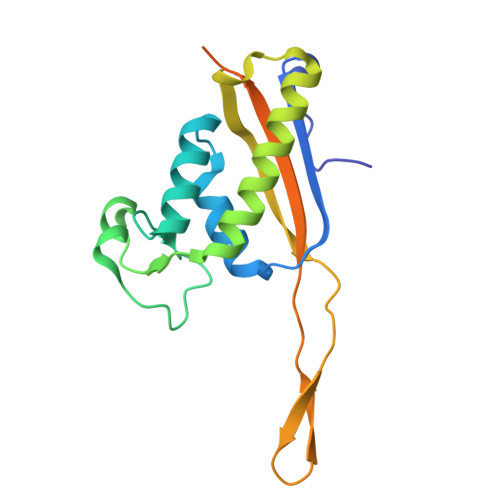
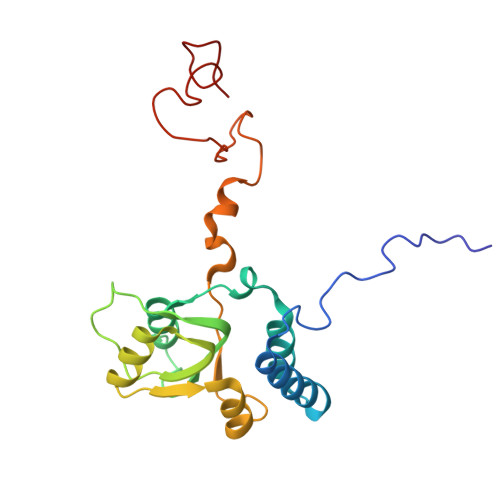
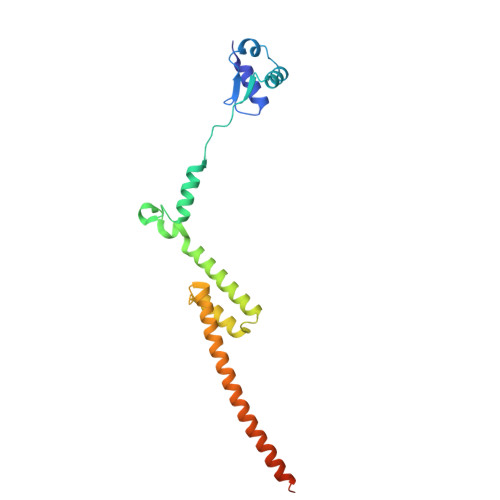
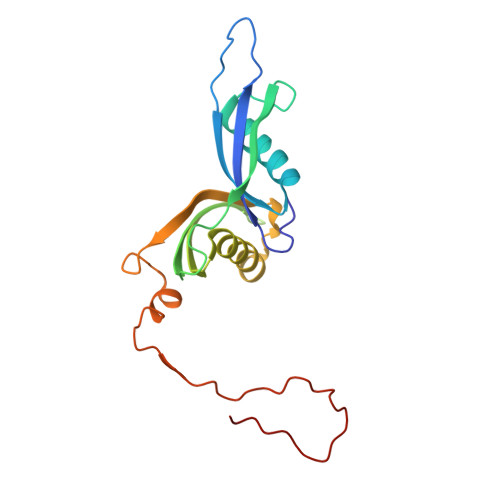
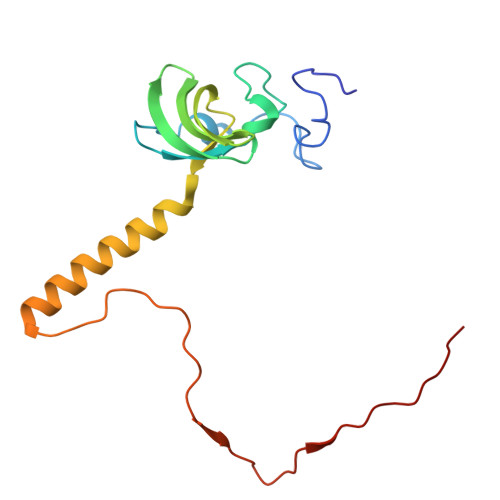
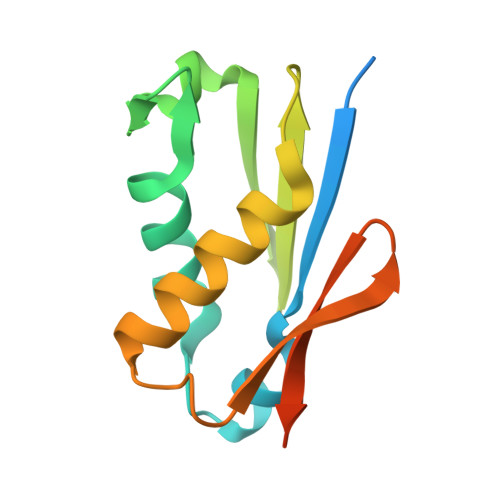
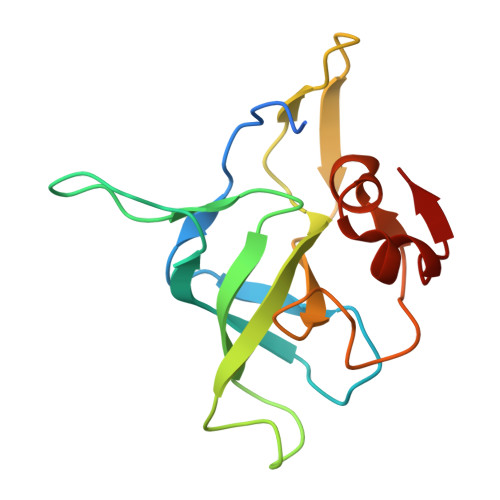
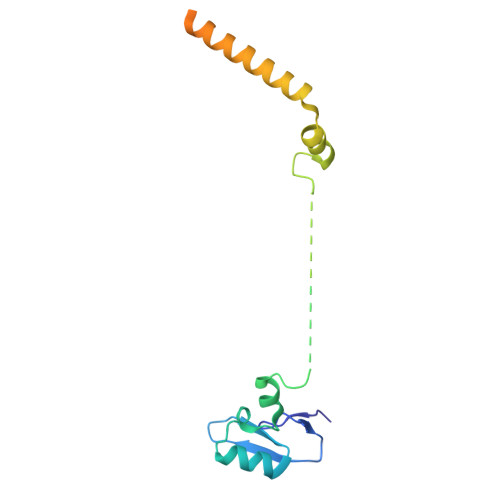
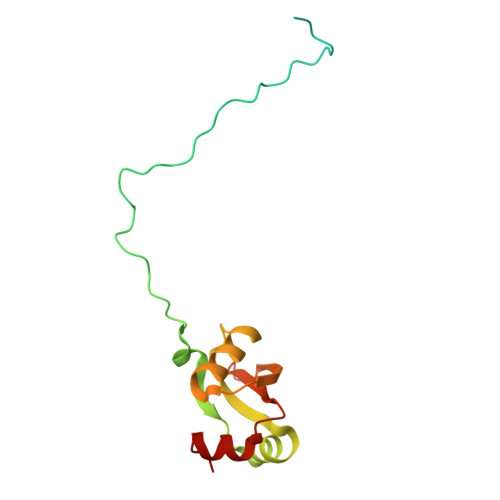
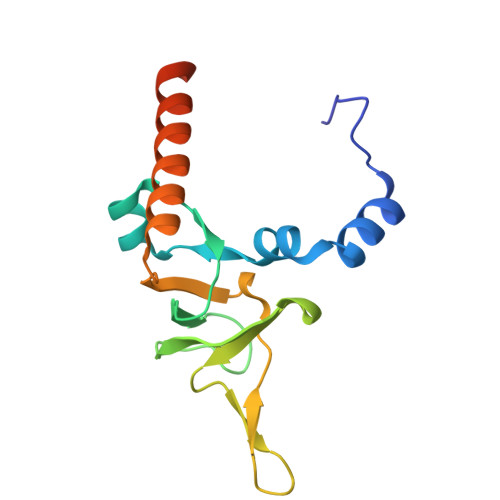
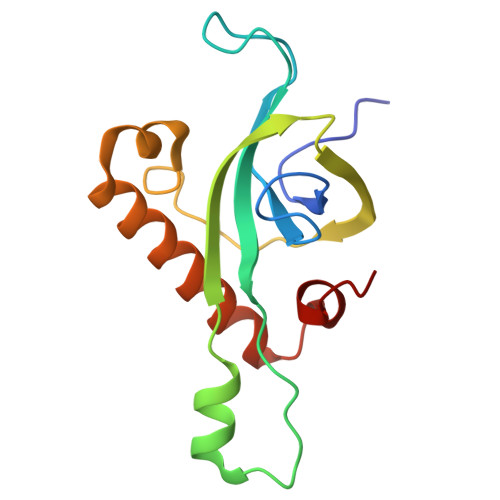
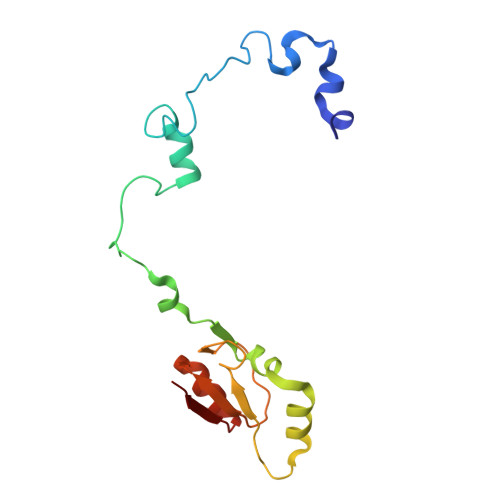
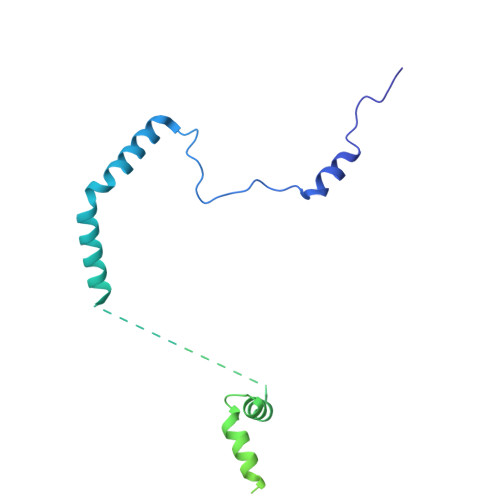
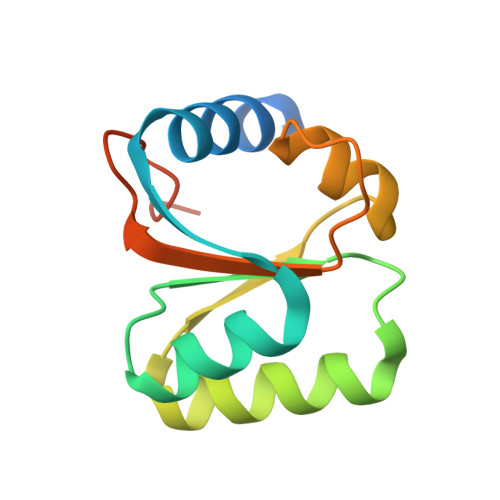
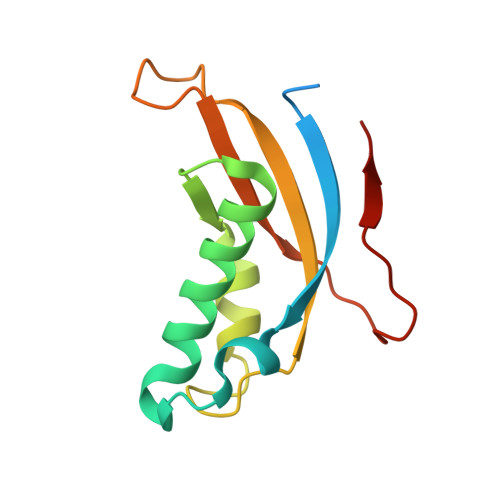
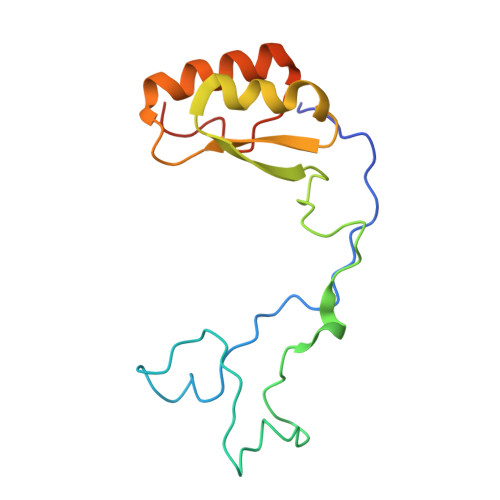
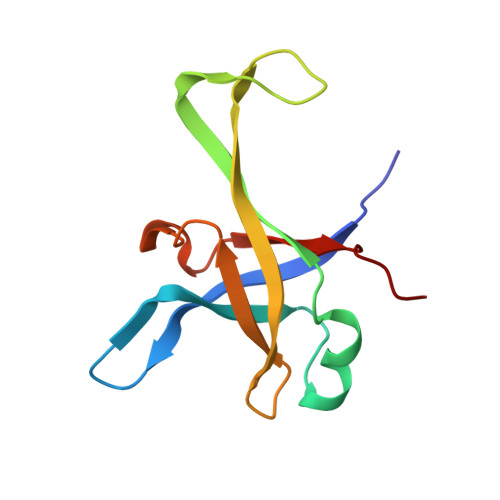
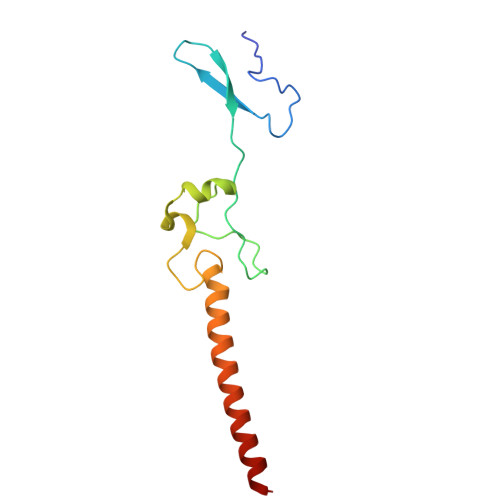
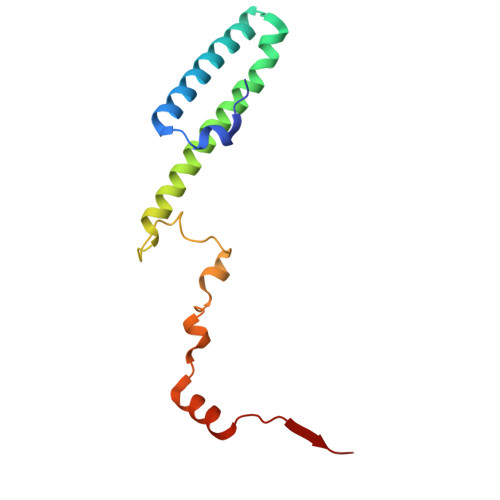
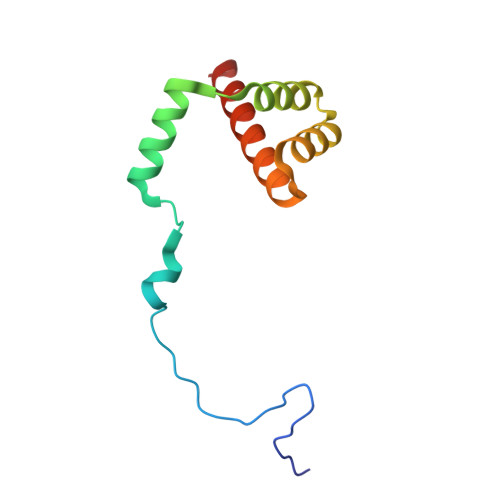
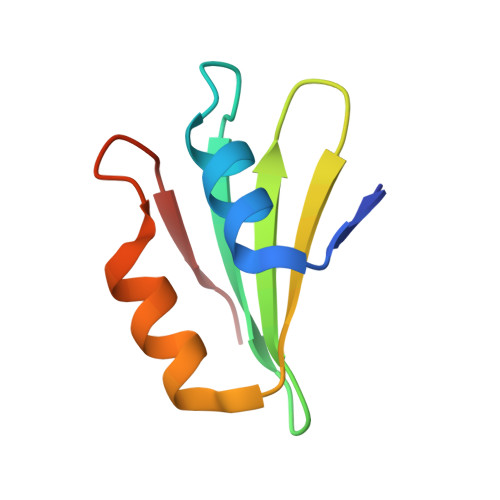
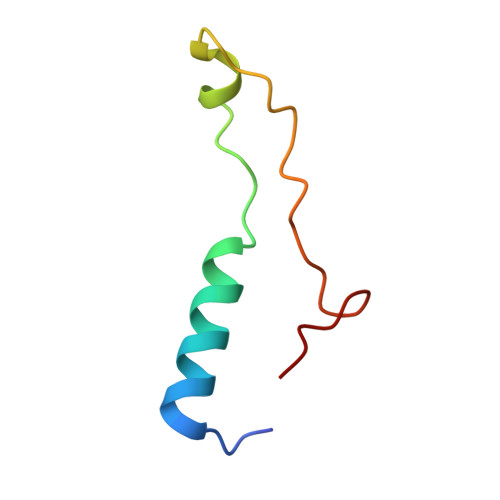
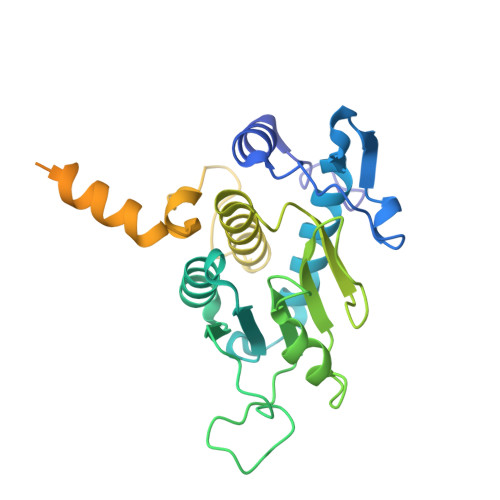
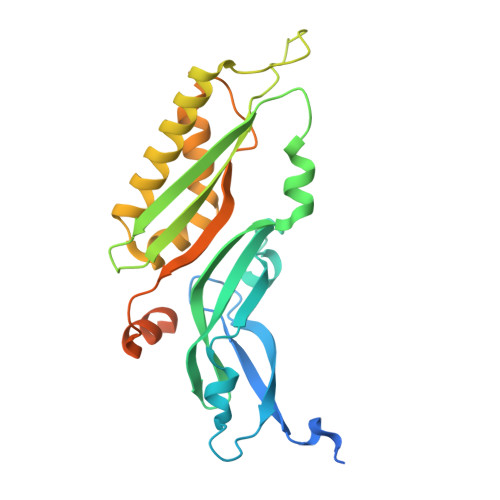
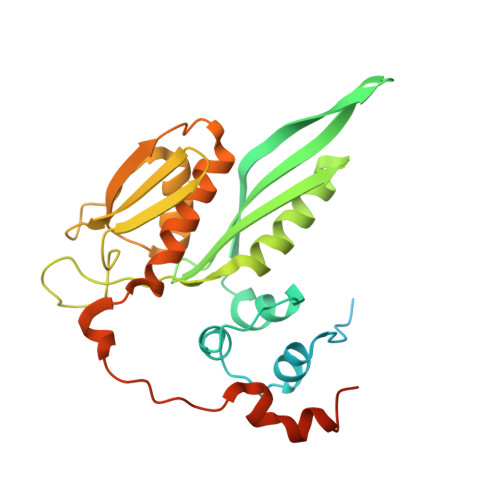
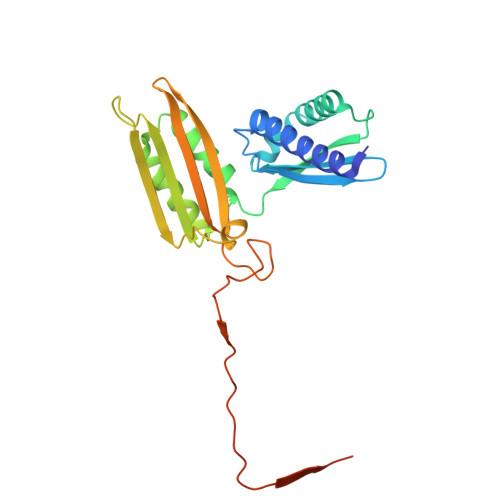
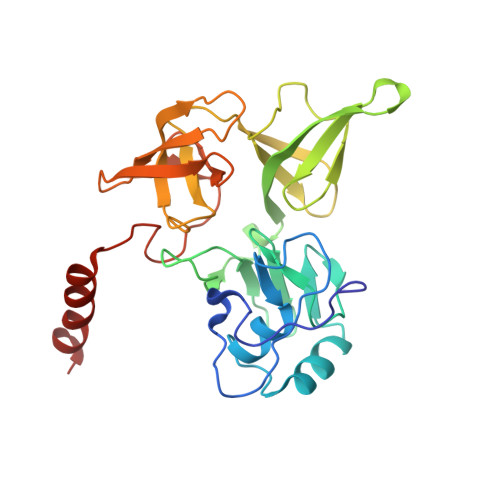
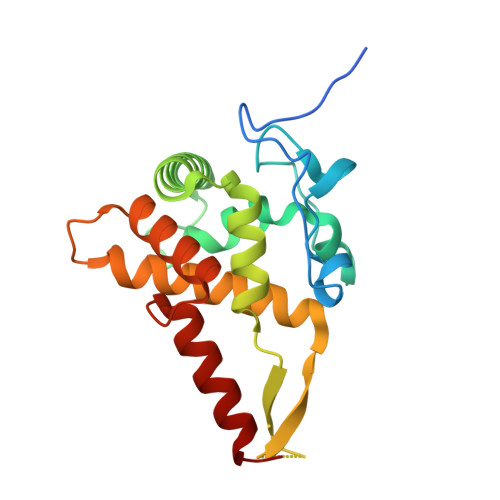
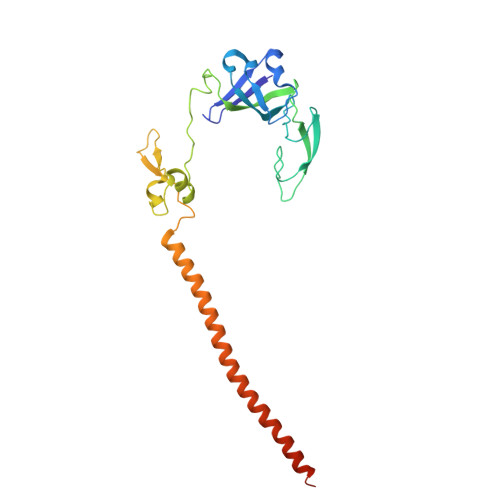
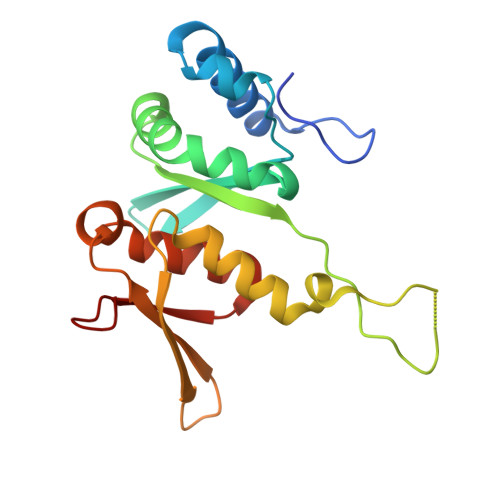
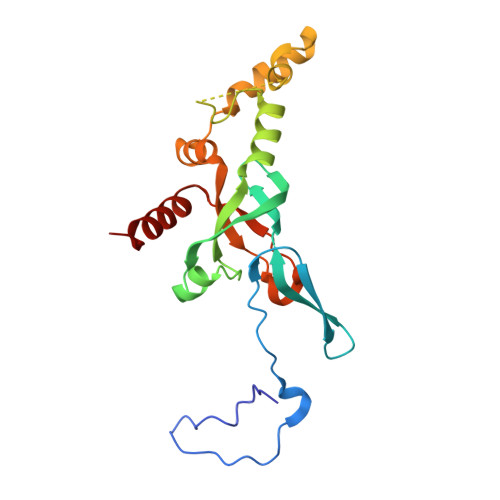
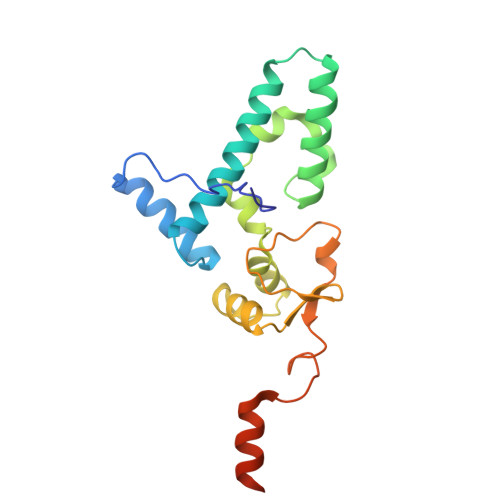
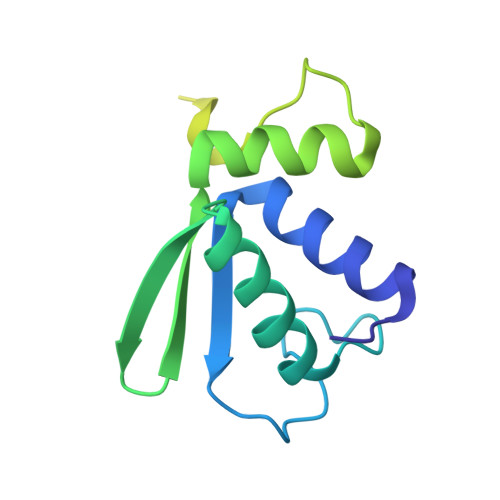
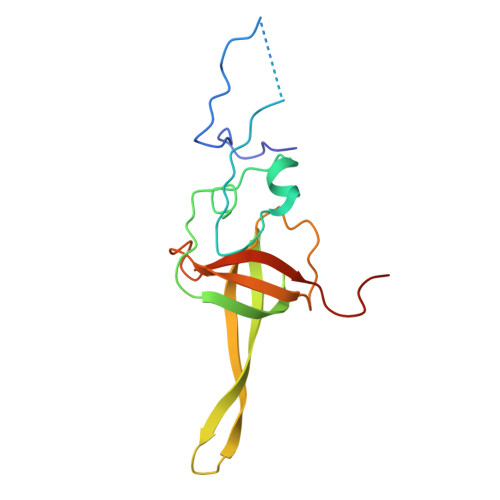
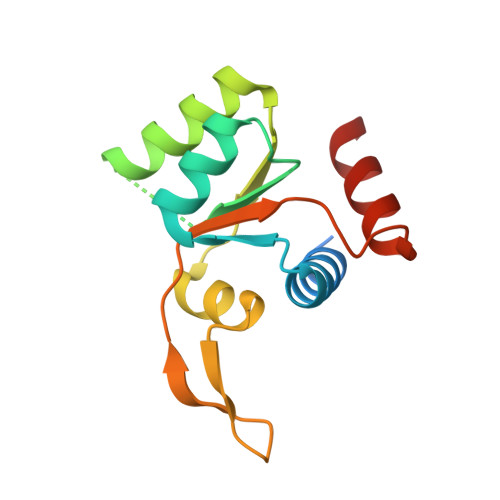
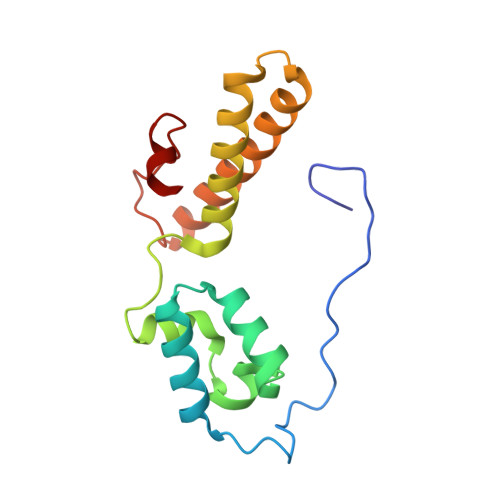
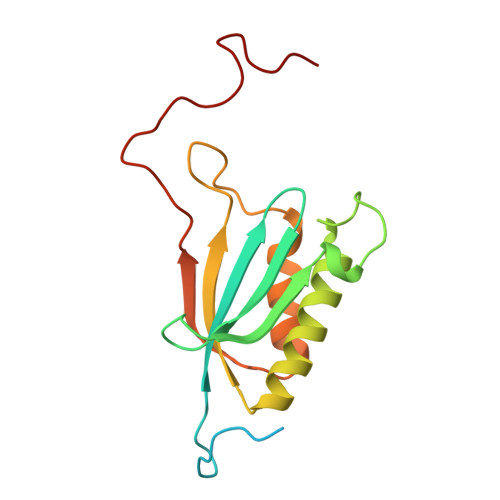
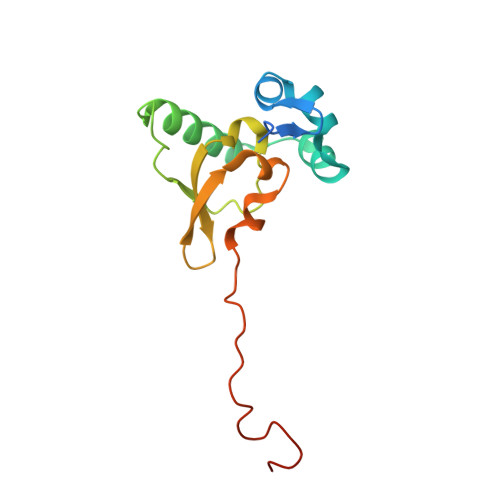
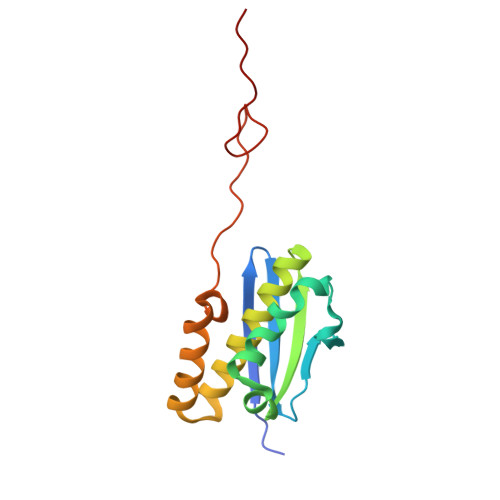
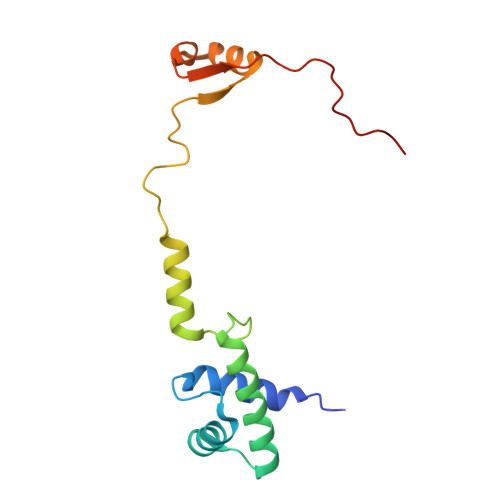
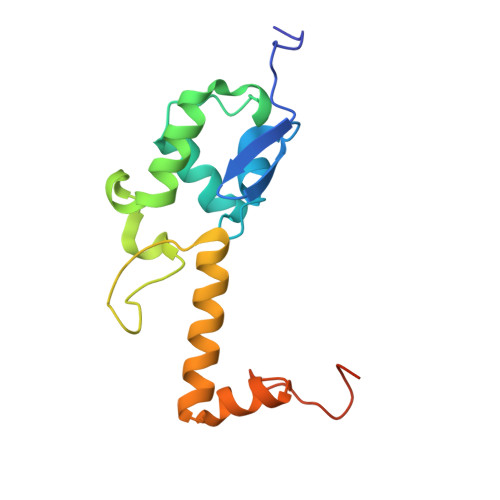
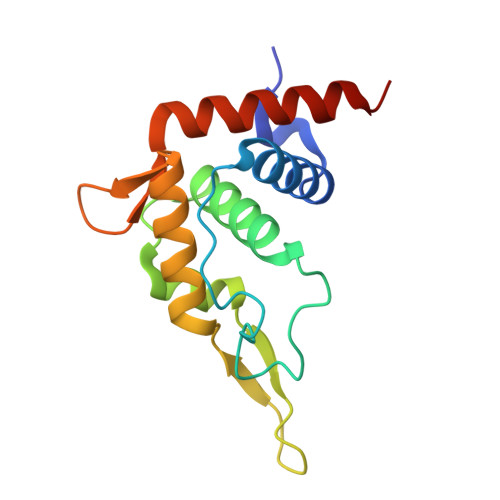
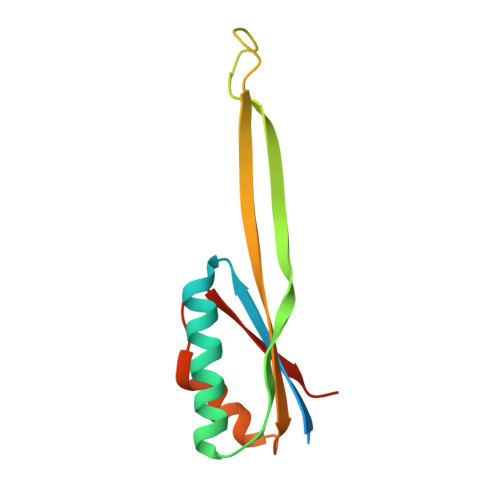
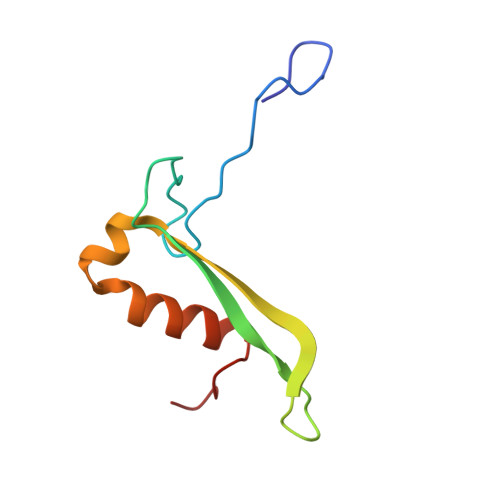
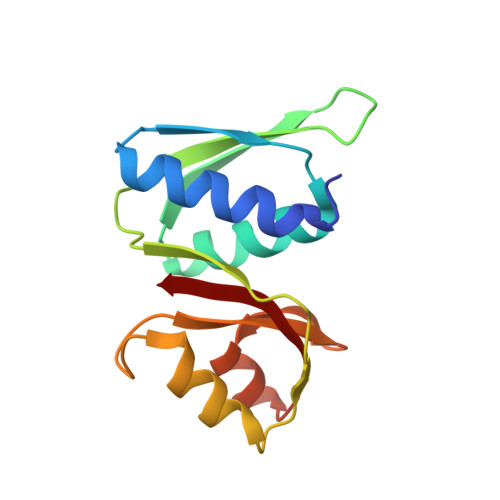
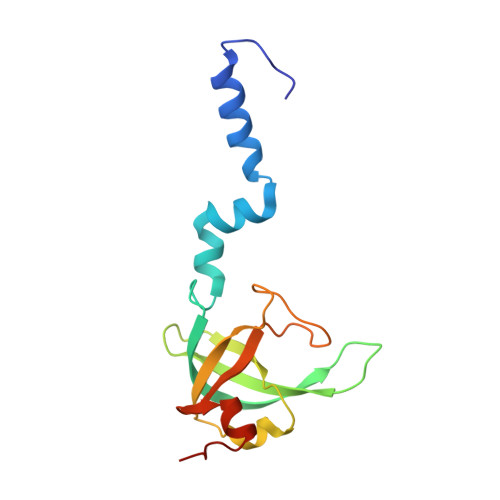
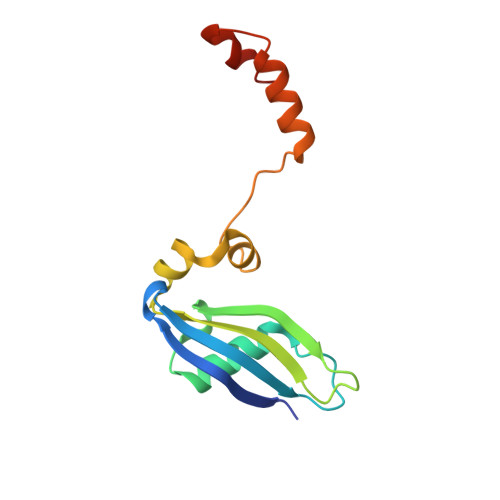
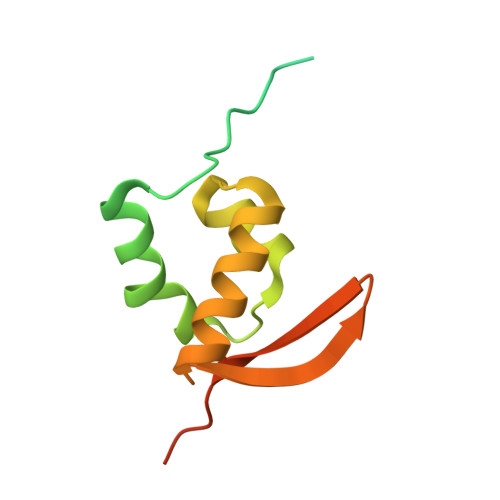
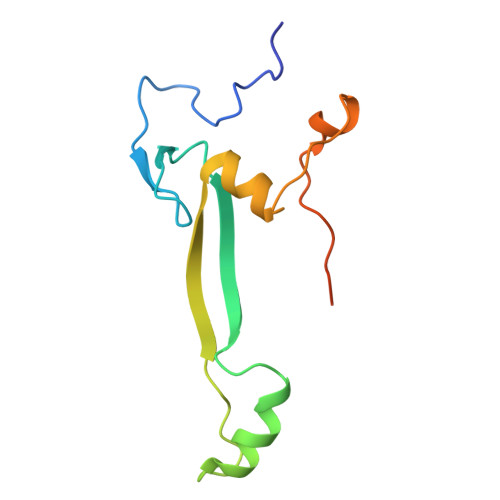
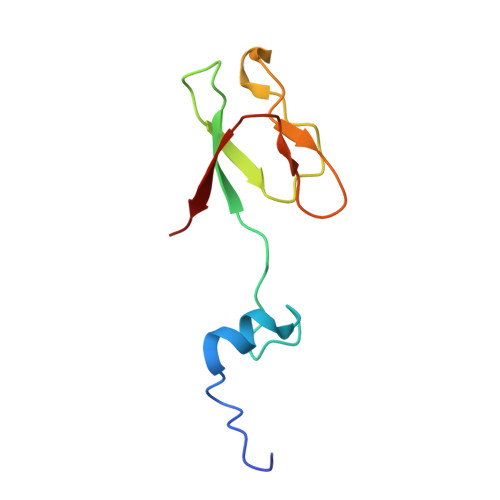
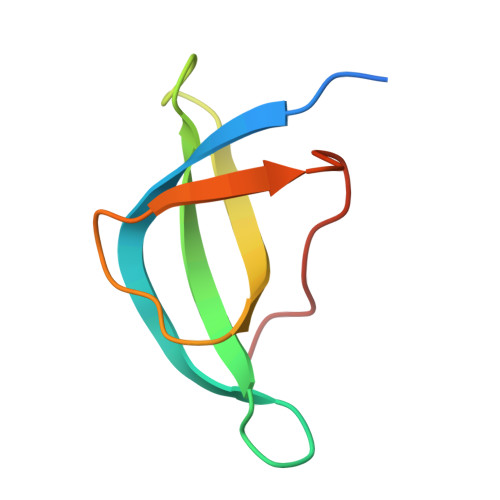
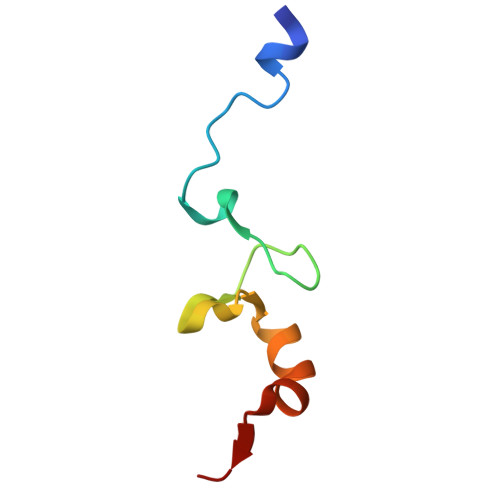
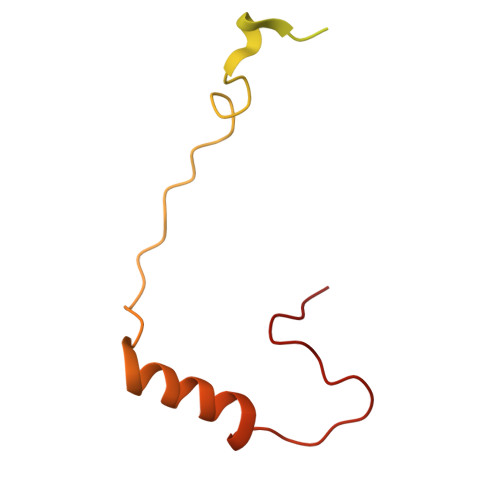
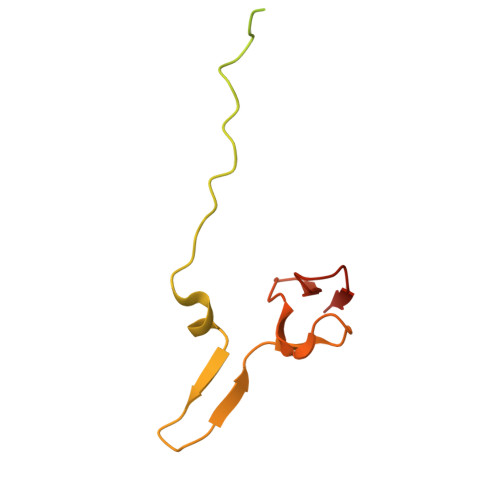
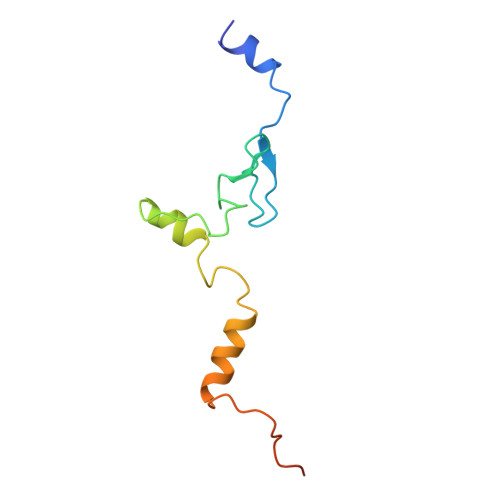
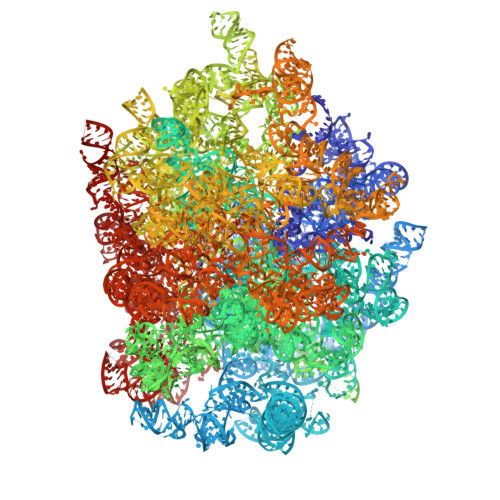
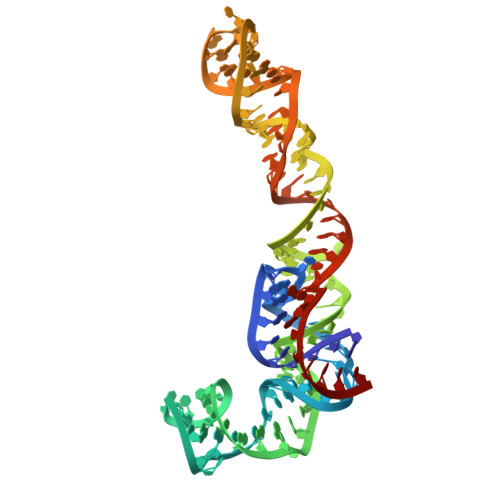
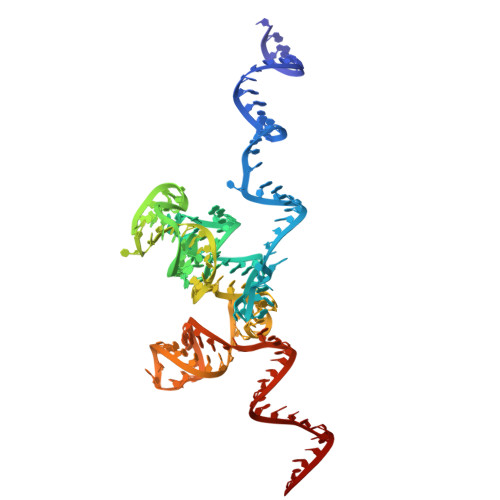
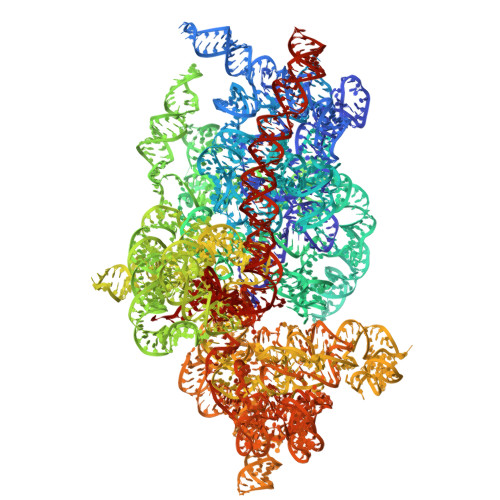
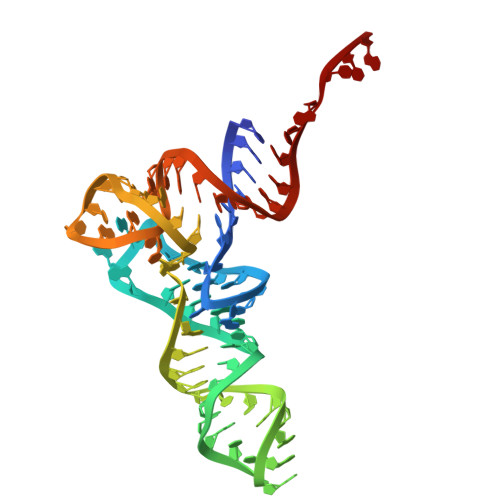
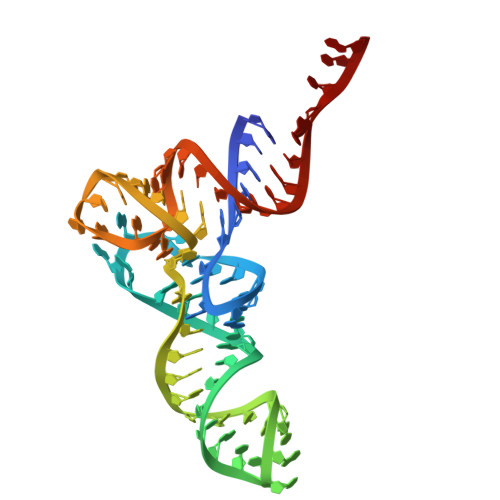
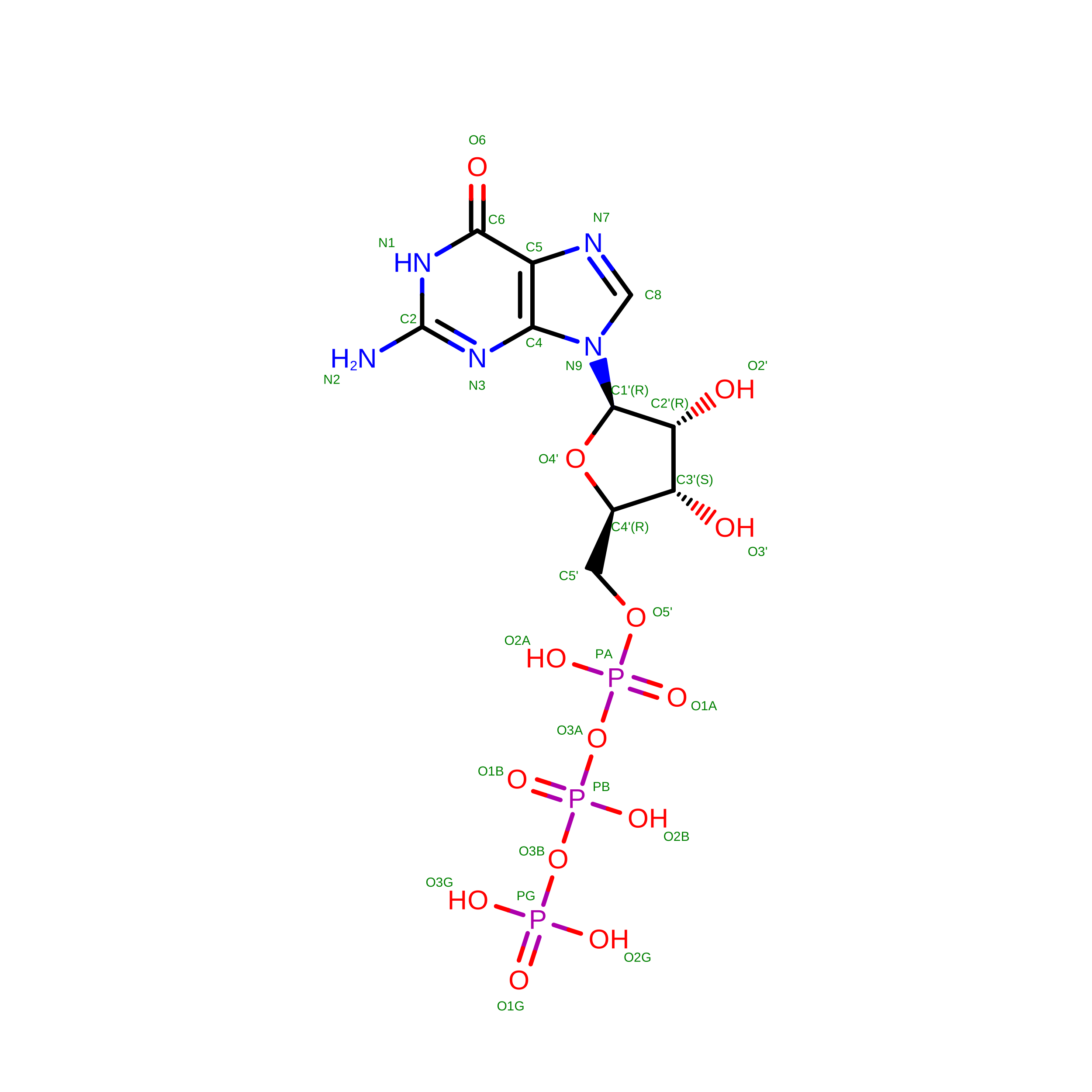
GTP-binding protein 1 (GTPBP1) is a widespread translational GTPase closely related to elongation factor eEF1A. The loss of GTPBP1 leads to neurodevelopmental and neurodegenerative disorders in animals. Although linked to translation and quality control mechanisms, GTPBP1 molecular functions remain largely obscure. Similarly to eEF1A, GTPBP1 delivers aminoacyl-tRNA to the ribosome, but the ensuing GTPBP1-mediated elongation is slow. Here, using cryo-EM of mammalian 80S ribosomal complexes bound to GTPBP1 and aa-tRNA with GTP or the non-hydrolysable analog GDPCP, we show that the distinct GTPBP1 architecture and interactions with tRNA underlie slow GTPBP1 dissociation after GTP hydrolysis, resulting in delayed tRNA accommodation. Slow dissociation correlates with an extended proofreading stage and higher accuracy of GTPBP1-mediated decoding, potentially allowing GTPBP1 to elicit its putative quality control functions. GTPBP1 visualization provides the foundation for mapping and elucidating GTPBP1 mutations associated with human diseases.
Organizational Affiliation:
RNA Therapeutics Institute, UMass Chan Medical School, Worcester, MA, USA.
Department of Cell Biology, SUNY Downstate Health Sciences University, Brooklyn, NY, USA.
Department of Biochemistry and Molecular Genetics, University of Virginia School of Medicine, Charlottesville, VA, USA.
Eli Lilly and Company, Boston, MA, USA.
Department of Cell Biology, SUNY Downstate Health Sciences University, Brooklyn, NY, USA. tatyana.pestova@downstate.edu.
RNA Therapeutics Institute, UMass Chan Medical School, Worcester, MA, USA. andrei.korostelev@umassmed.edu.








 Download Mendeley